
Flood Cleanup Honolulu Hawaii | Water Out Fast, Home Restored Right
Category 3 protocols, EPA-registered disinfection, and full insurance documentation. Call now for 60-minute response.
Quick Answer
Flood cleanup in Honolulu involves removing standing water with truck-mounted extractors, sanitizing all affected surfaces with EPA-registered disinfectants, drying structural materials to IICRC S500 standards, and documenting all damage for insurance. Oahu’s frequent flash flooding from waterways like Manoa Stream and Nuuanu Stream makes Category 3 water protocols standard in most flood events.
Request Flood Cleanup Now
Flood Cleanup in Honolulu, HI
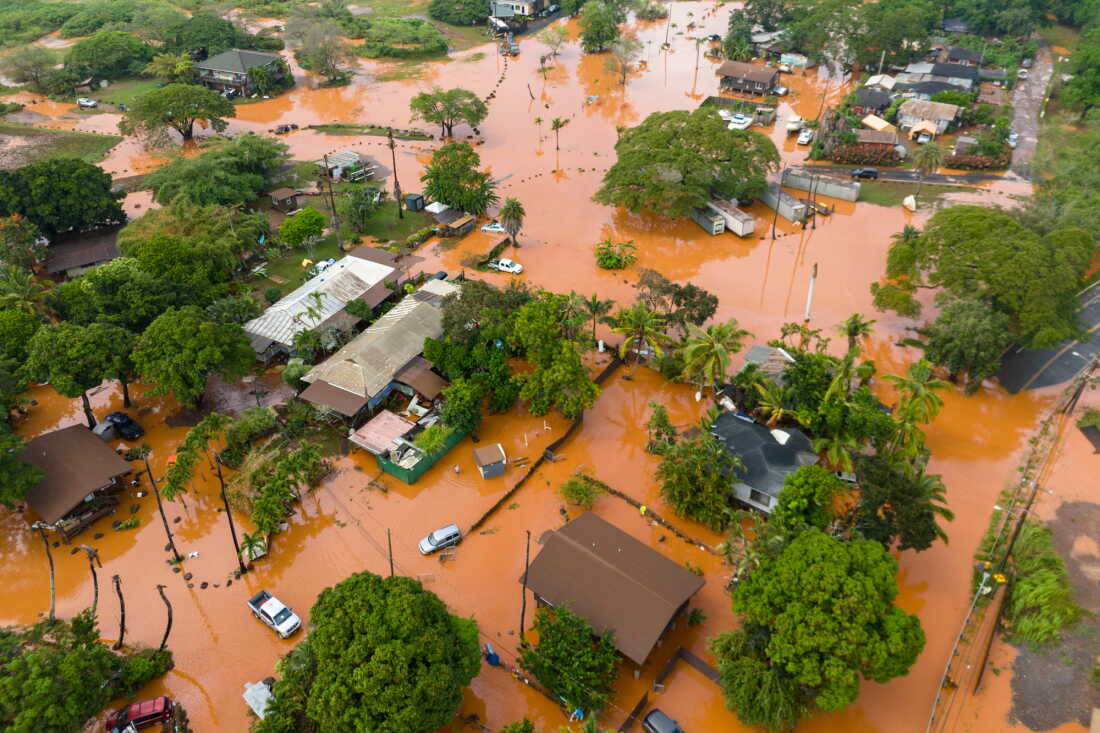
Flood cleanup is categorically different from standard water damage restoration. When floodwater enters a home, it carries everything from the streets, the soil, and the drainage system with it. That means bacteria, chemicals, sewage contamination, and pathogens classified as Category 3 water by the IICRC. You cannot treat Category 3 water intrusion the same way you treat a burst pipe.
Honolulu floods in specific, predictable ways. Manoa Valley is one of the wettest inhabited places in the United States, with rainfall events that can dump 3 to 5 inches in a single hour. When Manoa Stream overflows its banks, it backs up into neighborhoods on Oahu Avenue, Lowrey Avenue, and the surrounding streets. Nuuanu Stream swells during Kona Low events and pushes floodwater into Nuuanu Avenue properties. Palolo Stream, Kapalama Canal, and the streams running through Kalihi and Moiliili all have flood histories. FEMA has designated significant portions of these drainage corridors as high-risk flood zones.
For guidance on flood preparedness, FEMA’s ready.gov flood resource is a reliable starting point. But when the water is already inside, call us. That is when preparation is over and extraction begins.
Honolulu Flood Types and What They Mean for Your Property
Not every flood in Honolulu comes the same way. Understanding the flood type is the first step in determining the correct cleanup approach.
Flash flooding from streams. The Ko’olau Mountains receive intense orographic rainfall that drains rapidly into Manoa, Nuuanu, Palolo, Kalihi, and Waiawa streams. These events can raise stream levels several feet in under 30 minutes. Properties within the flood plain, and many that are not officially designated as such, can take 1 to 3 feet of water through ground-floor entries.
Storm surge and coastal flooding. Properties near the coastline in areas like Waikiki, Kakaako, and the Ewa Plain near Ewa Beach can experience storm surge during tropical weather events and high surf. Saltwater intrusion causes significantly more structural damage than freshwater because of its corrosive effect on framing and fasteners.
Street flooding and drainage backup. During heavy rainfall events, Honolulu’s storm drain system can become overwhelmed. Water backs up through street drains into properties at grade level. This water carries street contamination and typically qualifies as Category 2 or Category 3.
See also: water damage restoration in Honolulu and mold remediation services.
Health Risks of Standing Floodwater
Standing floodwater inside a Honolulu home is a direct health hazard. Do not walk through it without waterproof boots. Do not touch it with bare hands. Here is what it can contain.
Floodwater from stream overflow or storm drainage carries fecal bacteria including E. coli and Leptospira, which is particularly prevalent in Hawaii and spread through contact with soil and water contaminated by animal urine. Chemical runoff from lawns, roads, and industrial sites also mixes into floodwater. Mold spores, always abundant in Hawaii’s humid air, attach to wet surfaces within hours.
Category 3 water cleanup protocols require PPE, antimicrobial treatment of all affected surfaces, removal of contaminated porous materials that cannot be fully cleaned, and air scrubbing. This is not a DIY job. Attempting to clean Category 3 floodwater without proper equipment and training leaves contamination behind in areas you cannot see.
Flood Insurance Documentation for Honolulu Properties
Flood damage in Hawaii is generally not covered by standard homeowners insurance. You need a separate flood insurance policy through the National Flood Insurance Program (NFIP) or a private flood carrier. NFIP policies carry a standard 30-day waiting period before coverage takes effect, so properties in designated flood zones should have this coverage in place well before storm season.
If you have flood insurance, your claim will be handled by a licensed adjuster. The documentation we produce, including timestamped photos, moisture readings, and a detailed scope of loss, is what the adjuster uses to evaluate and process your claim. Our documentation package is built to IICRC standards and is compatible with the adjuster review process.
For state-level information on insurance requirements and flood coverage in Hawaii, the Hawaii Insurance Division can be reached at insurance.hawaii.gov.
Flood Cleanup Service Area
We respond to flood cleanup calls across all of Oahu within 60 minutes. From Manoa and Nuuanu to Ewa Beach and the Waianae Coast, we have the equipment and crew to handle any flood event.
Flood Cleanup Questions
Standard homeowners insurance in Hawaii does not cover damage caused by rising floodwater. You need a separate NFIP or private flood insurance policy for that coverage. However, if floodwater entered through a storm-damaged roof, window, or door opening, that portion may be covered under your standard policy as storm damage. We can help you document which portion of the damage falls under each coverage type.
The first step is to confirm the electricity is off to all affected areas before entering the space. Do not walk through standing water with bare feet or open shoes. Do not attempt to use shop vacs or household fans to dry out floodwater. Call a licensed restoration company immediately. Floodwater from streams or storm drains in Honolulu is Category 3 contaminated water that requires professional equipment, PPE, and EPA-registered disinfection.
Category 3 is the IICRC classification for grossly contaminated water, which includes floodwater from streams, storm drains, and sewage backups. It contains bacteria, pathogens, and chemical contamination that poses direct health risks. All porous materials that absorb Category 3 water, including drywall, insulation, and carpet, must be removed and discarded. Structural members must be antimicrobially treated. Simply drying without these steps leaves contamination in place.
Based on FEMA flood zone maps and historical flooding patterns, the highest flood-risk areas in Honolulu include properties along Manoa Stream (Manoa and Moiliili), Nuuanu Stream (Nuuanu Avenue corridor), Palolo Stream (Palolo Valley), Kapalama Canal (Kalihi and Iwilei areas), and low-lying coastal areas in Waikiki and Kakaako. The Ewa Plain near Ewa Beach also has documented flood history during heavy rain events. We serve all of these areas.