7 Things Honolulu Homeowners Should Do Before Hawaii’s Storm Season
Hawaii has two distinct storm seasons and most Honolulu homeowners are only thinking about one of them. Here is what to do before the rain starts.
Quick Answer
Hawaii’s hurricane season runs June 1 through November 30, but the Kona storm season that causes the most flooding damage in Honolulu runs October through April. Honolulu homeowners should review flood insurance coverage, inspect roofs and gutters, confirm NFIP policy waiting periods are satisfied, and document their home inventory at least 30 days before the start of each storm season.
Most Honolulu homeowners think about storm preparation once a year, when hurricane season opens in June. That is understandable. The Central Pacific Hurricane Season is well publicized, and the memory of storms like Iniki in 1992 and Iselle in 2014 is part of living on the island. But in practice, the storms that cause the most water damage to Oahu homes each year are not hurricanes. They are Kona Lows.
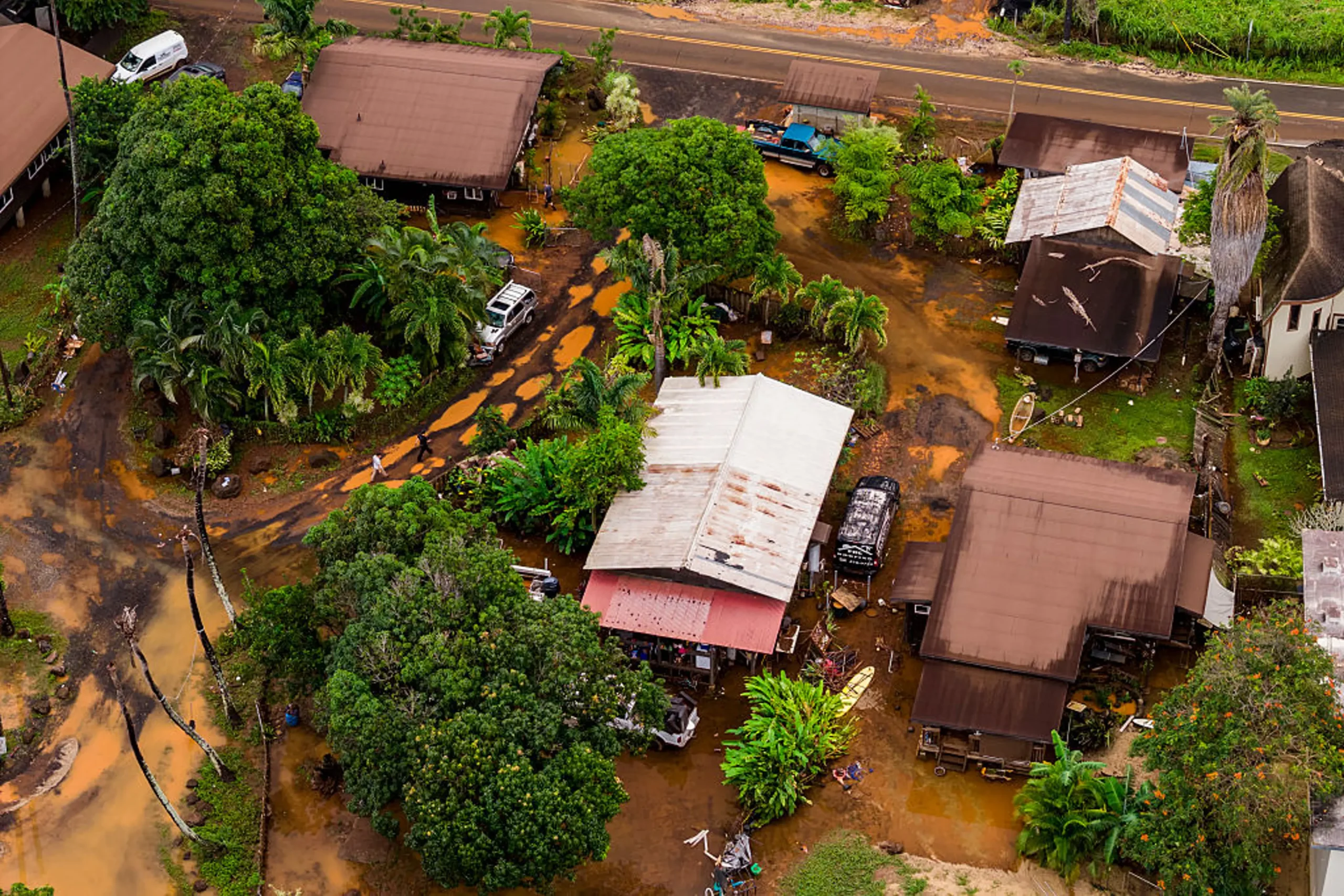
Kona Lows are slow-moving low-pressure systems that develop southwest of Hawaii and approach from the direction trade-wind-hardened building facades are least prepared to handle. They bring sustained heavy rainfall, wind from the wrong direction, and flooding events along stream corridors that affect communities that rarely see flood damage during normal trade-wind weather. They strike primarily from October through April, which means Honolulu homeowners face meaningful storm risk for roughly ten months out of the year.
Preparation for both seasons overlaps significantly. These 7 steps cover both.
1. Verify Your Flood Insurance Coverage and Confirm the Waiting Period Is Satisfied
This is the most important preparation step and the one most Honolulu homeowners skip until after a storm has already occurred. Standard homeowners insurance does not cover flood damage from rising water. Full stop. When Manoa Stream overflows during a Kona Low and water enters your ground floor, your standard policy pays nothing for that damage.
Flood coverage requires a separate NFIP or private flood policy. The NFIP carries a mandatory 30-day waiting period before coverage takes effect. You cannot buy a flood policy when a storm watch is issued and expect it to cover damage from that event. The policy must be in place at least 30 days before the loss. If you are in a FEMA-designated Special Flood Hazard Area along Manoa Stream, Nuuanu Stream, Palolo Stream, or the Ewa Plain, your mortgage lender may already require flood coverage. If you are not in a designated zone but live near any of those corridors, coverage is still worth carrying.
Call your insurance agent now. Ask specifically: do I have flood insurance, what is the policy limit for building coverage and contents coverage, and when does it renew? For state-level guidance, the Hawaii Insurance Division is reachable at insurance.hawaii.gov.
2. Inspect and Clean Your Roof, Gutters, and Downspouts
The single most common source of water intrusion during Oahu storm events is a roof system that was not maintained before the storm. Cracked or missing concrete roof tiles, dried-out flashing at penetrations and valleys, and clogged gutters and downspouts that back up and overflow into fascia boards all become active water intrusion points during heavy rainfall.
Honolulu’s roofs face a specific challenge: the combination of intense UV exposure, salt air, and periodic heavy rainfall accelerates the degradation of roof materials compared to mainland climates. A roof that looked fine last spring may have deteriorated enough over a dry summer to allow water entry under sustained rainfall. Have your roof visually inspected before each storm season. Clear gutters of the accumulated organic debris from tropical vegetation, which can fully block downspouts in a single season. Check that all downspouts discharge away from the foundation.
3. Document Your Home and Contents with a Video Walkthrough
Insurance claims are only as strong as the documentation behind them. Most homeowners who suffer storm damage discover that they cannot remember or prove what they owned, when they bought it, or what it was worth. A 15-minute video walkthrough of your entire home, narrated with what you are looking at, stored somewhere other than the home itself, is one of the most effective things you can do before storm season.
Walk through every room. Open closets. Show electronics, appliances, furniture, artwork, and anything of value. Call out the brand and approximate age of major items as you film. Upload the video to cloud storage or email it to yourself. This documentation is often the difference between a fully paid contents claim and a disputed one. It takes no special skill and costs nothing.
4. Know Where Your Main Water Shut-Off Is
Storm events frequently cause secondary plumbing damage. A tree limb striking a supply line, a roof collapse creating pipe shear, a surge in water pressure during infrastructure stress. Knowing where your main water shut-off is located and confirming it functions before an emergency is basic preparedness that surprisingly few Honolulu homeowners have done.
For most Oahu properties served by the Honolulu Board of Water Supply, the meter and main shut-off are at or near the property line. Find it before you need it. Turn it off and back on to confirm it moves freely. If it is corroded or stiff, have a plumber service it before storm season. A shut-off valve that will not turn during an active pipe emergency is worthless.
5. Trim Trees and Secure Anything That Can Become Airborne
Oahu’s lush tropical vegetation is one of the things that makes living here extraordinary. It is also a significant storm hazard. Coconut palms dropping fronds and fruit during strong winds, overgrown monkeypod or Java plum branches over rooftops, and any dead wood in any tree near the house are all potential projectiles during Kona Low or hurricane conditions. A falling branch through a roof creates an immediate water intrusion emergency that combines structural damage with storm flooding.
Have a certified arborist assess any large trees near the structure before storm season. Remove dead wood, reduce the canopy of trees with branches over the roofline, and clear any accumulated debris from around the property. Secure patio furniture, planters, and any loose items that could become windborne. This is not just about protecting your own property. It is about not creating a hazard for your neighbors.
6. Check Your Drainage and Grade Around the Foundation
Honolulu’s volcanic soil profile varies significantly across the island. In the valley communities like Manoa, Palolo, and Nuuanu, the soil transitions from permeable volcanic substrates near the surface to more impermeable clay-rich layers below. During intense rainfall, surface runoff accumulates faster than it drains, and any area around the foundation where grade directs water toward the house rather than away from it becomes an infiltration point.
Walk the perimeter of your property and look for low spots where water pools after rain. Check that the soil grade slopes away from the foundation at all points. Clear any vegetation or organic matter that has accumulated against the foundation wall, as this traps moisture against the concrete. Confirm that any window wells have functioning drains. These are inexpensive corrections before a storm that become expensive repairs after one.
7. Save Emergency Numbers Before You Need Them
During and immediately after a storm, phone lines are busy, websites are slow, and you do not want to be searching for numbers while water is entering your home. Save these contacts now.
Honolulu Board of Water Supply emergency line: (808) 748-5000. Hawaiian Electric Company outage line: (808) 548-7961. Your homeowners insurance carrier claims line: find this on your declarations page and save it in your phone. Your flood insurance carrier claims line if separate. A licensed restoration company: (808) 649-6346 for Honolulu Water Damage, available 24/7.
For broader emergency preparedness guidance specific to Hawaii, the Hawaii Emergency Management Agency publishes resources at ready.gov/floods. Print the key information and keep it somewhere accessible, because you may not have internet access during an event.
If you do experience storm or flood damage, our storm damage restoration team responds within 60 minutes anywhere on Oahu, and our flood cleanup service includes Category 3 water protocols, EPA-registered disinfection, and full insurance documentation.
Hawaii Storm Season Questions
The Central Pacific Hurricane Season officially runs June 1 through November 30. Hawaii sees fewer direct hurricane landfalls than the Gulf or Atlantic coasts, but the risk is real. Tropical storms and near-misses can produce damaging rainfall, flooding, and wind damage without a direct strike. The greater day-to-day storm risk for Honolulu homeowners comes from Kona Lows, which strike October through April and produce some of the most significant flooding events on Oahu, particularly along stream corridors in Manoa, Nuuanu, and Palolo.
NFIP flood insurance premiums vary based on FEMA flood zone designation, the structure’s elevation relative to the Base Flood Elevation, and the coverage amounts selected. Properties in high-risk Special Flood Hazard Areas, designated as Zone AE or VE, pay higher premiums than properties in moderate or minimal risk zones. FEMA’s Risk Rating 2.0 methodology, implemented in 2021, ties premiums more closely to individual property risk than the old system did. Your insurance agent can run a quote using your property’s specific FEMA flood zone classification. Private flood insurance from carriers outside the NFIP is also available and often competitively priced.
A hurricane watch means hurricane conditions, sustained winds of 74 mph or higher, are possible within 48 hours. A hurricane warning means those conditions are expected within 36 hours. The Central Pacific Hurricane Center issues both for the Hawaiian islands region. When a watch is issued for Oahu, begin final storm preparations: secure loose items, fill vehicles with gas, withdraw cash, fill bathtubs with water, and confirm your insurance coverage. A warning means preparations should already be complete and you are in the final decision window for whether to shelter in place or evacuate.
Yes. Stream corridor flood risk is one type of storm water damage risk, but it is not the only one. Roof damage from wind leading to interior water intrusion affects properties throughout the island regardless of proximity to water. Hillside properties in Makiki, Tantalus, and upper Manoa face runoff and slope drainage issues during heavy rain. Mid-island neighborhoods experience street flooding when the storm drain system is overwhelmed. Any Honolulu home with an aging roof, poor drainage grade, or mature trees near the structure carries storm water damage risk independent of flood zone designation.