5 Mistakes Honolulu Homeowners Make After a Flood
What looks like common sense after a flood in Honolulu can actually set you back thousands of dollars and delay your claim. Here is what to avoid.
Quick Answer
After a flood in your Honolulu home, do not enter standing water before confirming electricity is off, do not run your HVAC system as it spreads contaminated air, and do not delay calling a restoration company. In Hawaii’s humidity, waiting even 24 hours after a flood significantly increases mold risk and structural damage costs, which can also complicate your insurance claim.
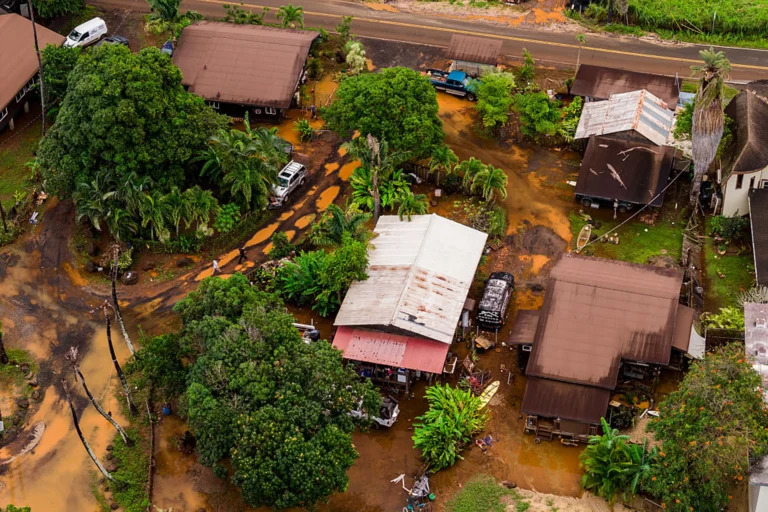
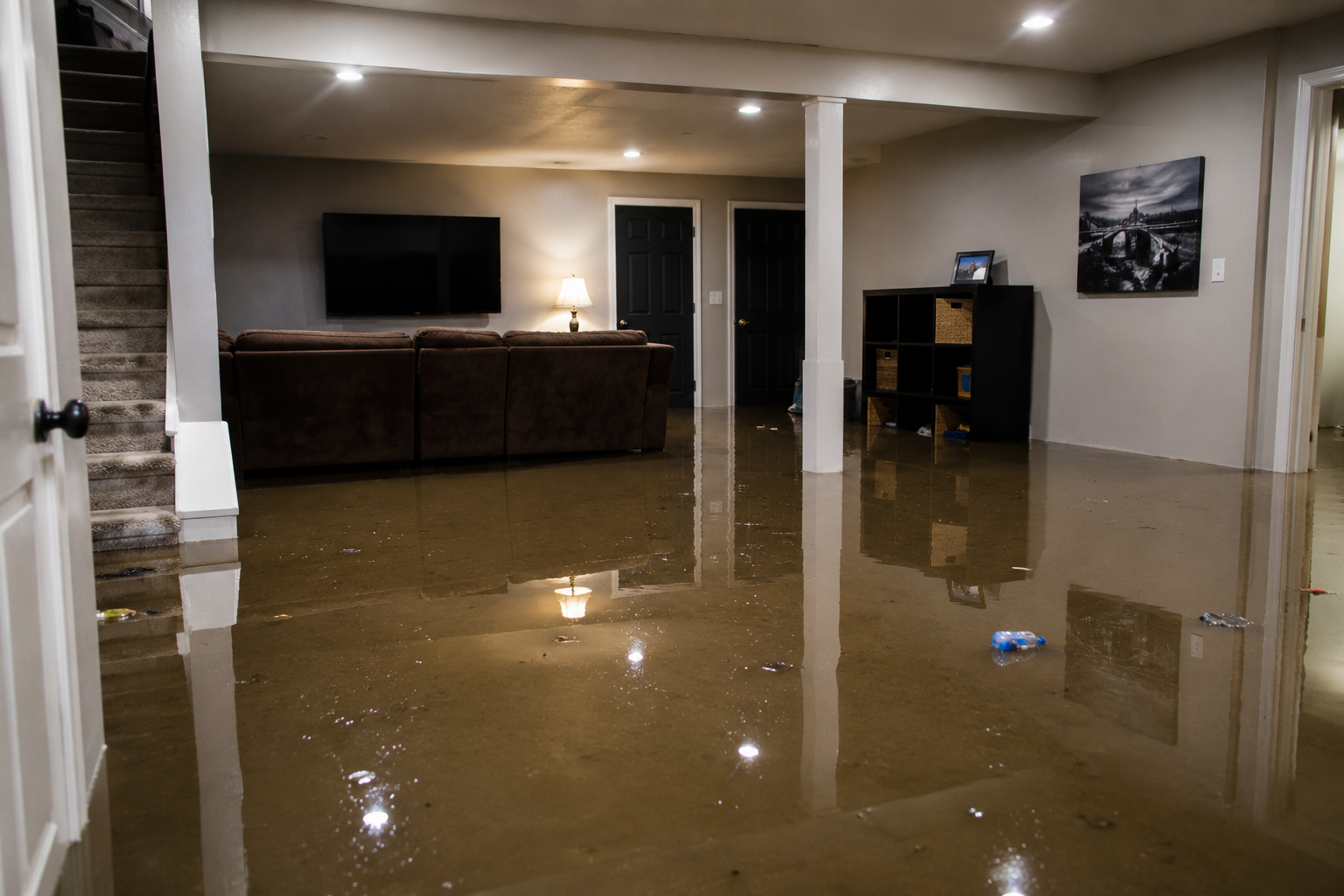
Flooding in Honolulu happens fast. A Kona Low can dump 3 inches of rain in under an hour. Manoa Stream can go from normal to overflowing its banks in less time than it takes to move your ground-floor furniture. When water enters your home, the instinct is to start cleaning up immediately. Some of those instincts are right. Some of them will cost you thousands of dollars and weeks of additional restoration time.
These are the 5 most common mistakes Oahu homeowners make in the hours after a flood.
Mistake 1: Walking Into Standing Water Without Checking the Electricity
This is the one that causes deaths. Floodwater and electrical current do not telegraph the combination. You cannot see it. You cannot feel the voltage until you step in and the circuit completes through your body. Every year in the United States, people are electrocuted in flooded homes because they walked into standing water with energized circuits still live.
Before entering any flooded area of your Honolulu home, go to the main breaker panel and cut power to every circuit that serves the affected area. If the panel itself is in a flooded area, do not touch it. Call your utility company to have power disconnected at the meter from the street. For Oahu properties, the Hawaiian Electric Company (HECO) line for outages and emergencies is (808) 548-7961.
What to do instead: check the breaker first, every time, before entering. If you cannot safely access the panel, stay out and call the utility company before entering.
Mistake 2: Running the HVAC System After Flooding
After a flood, one of the most common things homeowners do is turn on the air conditioning to start drying the property out. This is a significant mistake, particularly in Honolulu.
Floodwater in Honolulu, whether it comes from Manoa Stream overflow, Nuuanu Stream flooding, or Kona storm street drainage backup, is Category 3 water. It contains bacteria, chemicals, and pathogens from the streets, soil, and drainage system. When your HVAC system runs in a flooded space, it picks up contaminated air and aerosols from the standing water and distributes them through every duct and every room the system serves. You create a contamination problem throughout the entire home that is far more expensive to remediate than the original flood area.
What to do instead: turn the HVAC off and leave it off until the system has been professionally inspected and cleared. Open windows and doors if you need ventilation, but do not use the duct system until a restoration professional has assessed it.
For more on the contamination risks of Category 3 floodwater, see FEMA’s flood safety guidance.
Mistake 3: Throwing Away Damaged Items Before Documentation
After a flood, the impulse is to start clearing out damaged belongings as fast as possible. Rugs, furniture, clothing, electronics. It is a reasonable reaction to the stress and the mess. But discarding items before they have been photographed and documented removes them from your insurance claim. You cannot recover the value of items that no longer exist and were never documented.
Hawaii homeowners, particularly those affected by flooding along the Ewa Plain near Ewa Beach or in low-lying areas near Pearl Harbor, sometimes face situations where neighbors and well-meaning family members arrive to help and start removing items immediately. Coordinate this before it happens. Document first, move second.
What to do instead: before moving or discarding a single item, take photos of everything in place. Ideally, shoot video as you walk through the flooded area. This creates a time-stamped, comprehensive record that supports every line item in your contents claim. If you have a home inventory, have it ready.
Mistake 4: Waiting to Call a Restoration Company
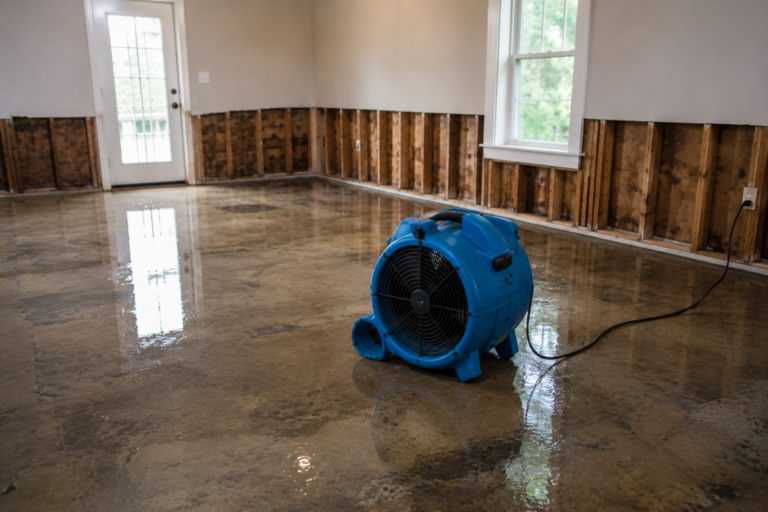
In Hawaii’s climate, time works against you more aggressively than in any mainland market. Honolulu’s year-round humidity means the environment is always primed for mold growth. All it needs is the moisture. Floodwater provides that in abundance. After 24 to 48 hours without professional extraction and drying equipment, mold colonies can establish inside wall cavities, under flooring, and in structural framing.
Beyond mold risk, waiting also affects your insurance claim. Most policies require prompt notice and reasonable mitigation steps. If your adjuster’s inspection shows that you waited 72 hours or more before beginning extraction, that creates documentation that you did not take reasonable steps to limit the loss. Some carriers use this to limit coverage on secondary damage that occurred after you discovered the flood.
What to do instead: call a licensed restoration company immediately, even if you are still in the middle of the flooding event. They can assess the situation, help you document damage for the claim, and begin planning the extraction the moment it is safe to enter. See our flood cleanup service page for specifics on the process.
Mistake 5: Assuming Homeowners Insurance Covers Flood Damage
This mistake does not happen during the flood. It happens in the weeks before, when a homeowner assumes their standard policy covers what happens when Manoa Stream or Palolo Stream overflows into their neighborhood. It does not. Standard homeowners insurance in Hawaii, as in every other state, specifically excludes flood damage from rising water.
Flood coverage in Hawaii requires a separate NFIP policy or a private flood policy. The NFIP has a mandatory 30-day waiting period before coverage takes effect. If you are in a FEMA-designated flood zone, flood insurance may be required by your lender. If you are in a neighborhood with documented flood history, like the streets adjacent to Nuuanu Stream, Manoa Stream, or the Ewa Plain, flood insurance is worth considering regardless of zone designation.
What to do instead: review your current coverage now, before the next Kona Low arrives. Call your insurance agent and ask specifically whether you have flood coverage and what the policy limit is. If you do not, get a quote for an NFIP or private flood policy today. For state-level insurance questions, the Hawaii Insurance Division is at insurance.hawaii.gov.
For help after any flood event in Honolulu, our emergency water damage team responds anywhere on Oahu within 60 minutes, 24 hours a day.
Post-Flood Questions
In Honolulu’s warm, humid climate, mold can begin establishing on organic building materials within 24 to 48 hours of a flood event. This is faster than in drier mainland climates because Honolulu’s ambient humidity is already near the threshold mold needs to grow. All it requires is a wetted surface. Professional extraction and drying must begin within the first 24 hours to have a meaningful chance of preventing mold establishment in structural materials.
It depends on the category of water and the extent of damage. Category 1 water, such as a clean supply line failure, generally permits occupancy. Category 3 water, which is what most Honolulu flooding events produce because of street runoff and stream overflow contamination, carries health risks that may require temporary relocation, especially for households with children, elderly occupants, or anyone with respiratory conditions. We assess the situation on arrival and provide an honest recommendation based on what we find.
Properties within or near the flood plains of Manoa Stream, Nuuanu Stream, Palolo Stream, and other Oahu waterways designated as high-risk flood zones face documented flood risk that standard homeowners insurance does not cover. If you are in a designated Special Flood Hazard Area, your lender may require flood insurance. Even if you are not, proximity to a flood-prone waterway is a good reason to carry an NFIP or private flood policy. Contact the Hawaii Insurance Division at insurance.hawaii.gov or your insurance agent for guidance on coverage options.
A shop vac can remove some surface water, but it cannot extract water from carpet padding, subfloor layers, or wall cavities. Consumer fans move surface air but do not create the calculated airflow needed to remove moisture from structural materials. In Honolulu’s humidity, running fans without dehumidification simply moves moist air around the room and can spread moisture to adjacent spaces. Professional extraction equipment removes 10 to 20 times more water per hour than a shop vac, and industrial dehumidifiers maintain the low-humidity environment necessary for structural drying to occur.